The idea is to create an environment where students are encouraged to learn from their mistakes and to get help when they can't figure something out on their own.
“Gradating” Understanding in the Religious Studies Classroom


The idea is to create an environment where students are encouraged to learn from their mistakes and to get help when they can't figure something out on their own.

Yesterday in my Bible and Race in the United States of America class, I asked students how differently they might read the Bible were it introduced with the following disclaimer:

For a moment can we put aside images of a god who would sacrifice a child to save the world or destroy the world save for one family? Whatever one makes of such images, we cease to be human if their imagery fails to haunt us.
There's no way of getting around it. Some student will ask me why I don't cover "X" religion in my survey course. It happens all the time. And I usually tell them how, given our limited time together, we can only cover so many traditions. Unfortunately that will appease most students. But I hope by … Continue reading To Exclude or Not To Exclude: The Politics of the World’s Religions Syllabus
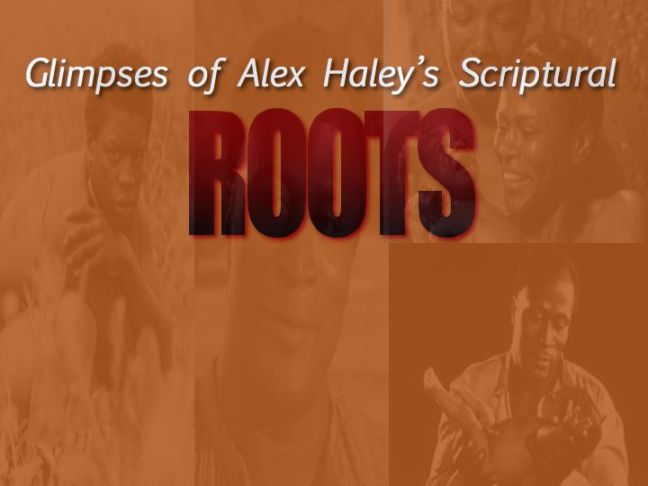
During the nation’s bicentennial, a media phenomena captivated the attention of American reading and television audiences. Alex Haley’s award-winning work broached the contested role of black people in the United States. The novel and miniseries located blacks at the center of an American historical mythology and invited a redefintion of de facto American citizenship. The … Continue reading Glimpses of Alex Haley’s Scriptural ROOTS
