Thoughts on the State of our Disunion

Today, we can speak casually of the Civil Rights Movement of the 1960’s. Many of us are not required to think about, really think about, the effects of three hundred-plus years of “writing on backs” that lead to the movement. We are removed from the economic realities and social injustices that lit the fire for that movement. Anyone who has not had to come to terms with the persistence of that writing on the backs is not likely to feel the sense of urgency that racism in this country ought to stir in all of us.

The Bible and Race in the USA: Dreaming of Ahistories

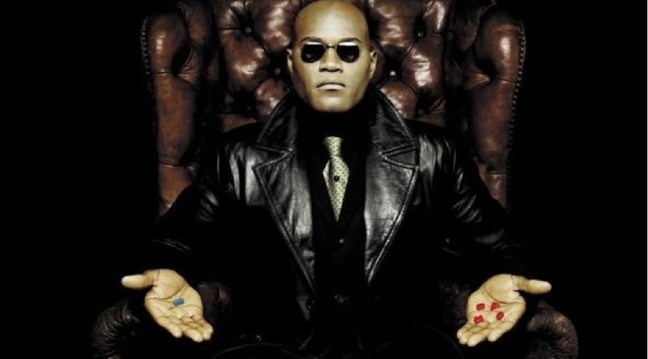
Morpheus from the Matrix, showing the red and blue pills.

In just a few short weeks, the American Academy of Religion (AAR) and the Society of Biblical Literature (SBL) will be holding their joint annual meeting. Recently, the AAR took up the tradition of bandying a theme; "Revolutionary Love." Elsewhere I've offered remarks on the issues it raises for the type of work that I … Continue reading The Bible and Race in the USA: Dreaming of Ahistories

The Bible, Race, and Indigeneity: A Response

Andie Alexander closes out our series on indigeneity–part of a conversation on “The Bible and Race in the USA.” See the rest of the discussion to explore other contexts and analyses.

Fear, Florida, and Faith-Based Prisons

In this edition in our Reading Race and Criminality series, Dr. Brad Stoddard examines the history and politics that frame Florida's experimentation with faith-based prison reform.

The Stereotype of Criminal Blackness

Racial inequality is a well-known problem across the United States, but people rarely know how or why these numerous socio-economic gaps were created and allowed to persist between humans with simple differences in physical characteristics. In fact, the racial disparities that we observe today find their origin from the inception of a country that set forth that all men are created equal. But recent research suggests that many citizens may inherently believe otherwise.